

Two blades can share the same size and look almost identical on a listing — and still deliver very different air throw, noise and motor life. The blade is what turns a motor’s power into cooling people can feel. For a cooler brand, a badly balanced blade means vibration complaints and burnt motors. For a dealer, it means returns.
Here is what separates a good air cooler fan blade manufacturer from a mould shop, from a team that has made cooler components in Delhi since 1998.
1. Size is only the starting point
Blades are sold by diameter — 9, 12, 16, 17, 18, 19 and 20 inch are the common sizes. Size must match the cabinet’s fan opening and the motor’s power. But two 18-inch blades can move very different volumes of air. That depends on the next three points.
2. Leaf count and pitch
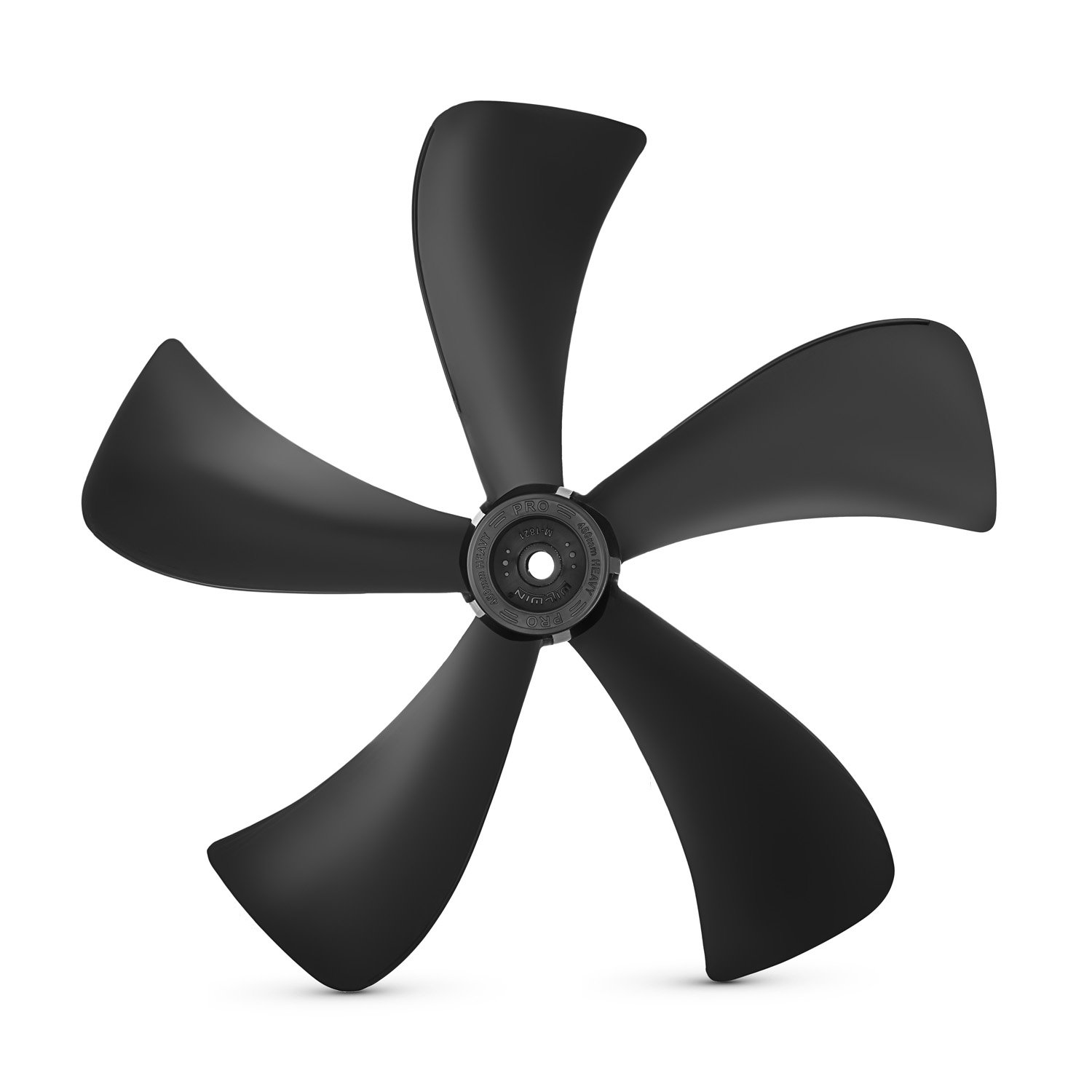
More leaves give smoother, steadier air; fewer leaves give a punchier throw. The pitch — the angle each leaf is set at — decides how much air each turn moves and how hard the motor works.
Our M-1821 (Pro) 18-inch blade, for example, is a 5-leaf blade at 430 mm with a 50 mm pitch. That geometry pushes a high volume of air at low noise — the difference between a cooler that throws air across a room and one that only stirs it. Ask your supplier for leaf count and pitch on every model, not just size.
3. Material: why ABS matters
Cooler cabinets get hot in summer and blades run wet. A blade must stay true at that temperature and survive knocks during assembly and service. High-grade ABS gives high impact resistance and holds its shape. Cheaper recycled plastics can warp, go out of balance and start to wobble mid-season.
Ask what grade the blade is moulded in, and whether it is virgin or recycled material.
4. Bore and motor fit
The blade’s hub must fit the motor shaft exactly. A loose fit causes wobble; a forced fit cracks the hub. Blades are made for specific shaft sizes and motor bodies — our M-1821 Pro, for instance, fits 32 mm shafts on 110 dia motors. Tell your supplier your motor model before you order, and confirm the rotation direction matches.
5. Balance
A balanced hub keeps load off the motor. The winding runs cooler and the bearing lasts longer. Unbalanced blades show up as vibration, noise and early motor failure. Ask how blades are checked for balance and run a sample on your own motor at full speed.
6. Profile for the cooler type
Different coolers need different blade designs. We build these profiles:
| Profile | Sizes in our range | Built for |
|---|---|---|
| Standard | 9″, 12″, 16″, 18″, 20″ | Room and desert coolers |
| Pro | 16″, 18″ | High air delivery at low noise |
| Ultra | 16″, 18″, 20″ | Higher-spec line — specs on request |
| Tower | 16″ | Tower coolers |
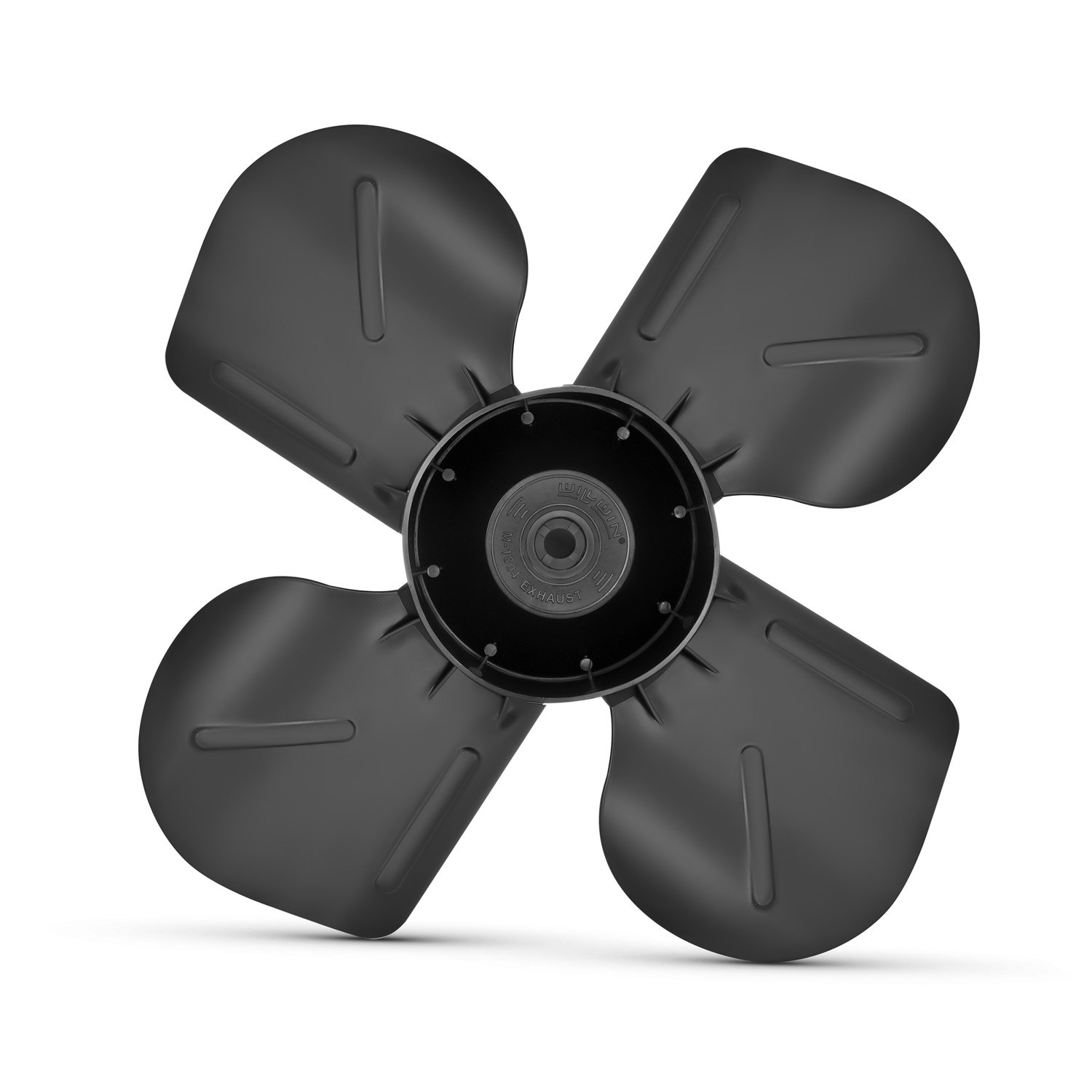
| Exhaust | 18″ | Exhaust and ventilation duty |
| Climatizer | 17″, 19″ | Climatizer-style coolers |
Not sure which size your cooler needs? Our cooler blade size guide explains it, or browse all air cooler fan blades.
7. Packing and supply
Blades travel badly if packed loose. Ask how they are boxed: our M-1821 Pro ships 20 pieces per box for clean warehouse handling and low transit damage. And ask how far ahead you need to book for peak season.
Frequently asked questions
What is the best material for a cooler fan blade?
High-grade ABS is the most common choice for room and desert coolers because it resists impact and holds shape when hot.
Which fan blade sizes do you make?
From 9 to 20 inch, across standard, Pro, Ultra, Tower, Exhaust and Climatizer profiles.
Do you make custom blades for cooler brands?
Share your motor, cabinet and airflow target, and we’ll match an existing model or discuss a custom requirement.
What is the price of a cooler fan blade?
It depends on size, profile, material and order volume. We quote on request.
Source your blades from one maker
We also make the pumps and rotary switches that go into the same cooler — see how one-source supply works. Request blade samples or call +91 98116 63968.
